Ultimate Guide to New Driver Sticker Japan in 2026

If you’re searching for the Ultimate Guide to New Driver Sticker Japan in 2026, here’s the practical truth first: in Japan, a newly licensed driver is generally expected to display the beginner mark for one full year after getting a standard license. Miss that detail, place it badly, or buy the wrong type, and you can turn a simple compliance task into an avoidable roadside conversation.
Best New Driver Stickers in 2026
We researched and compared the top options so you don't have to. Here are our picks.
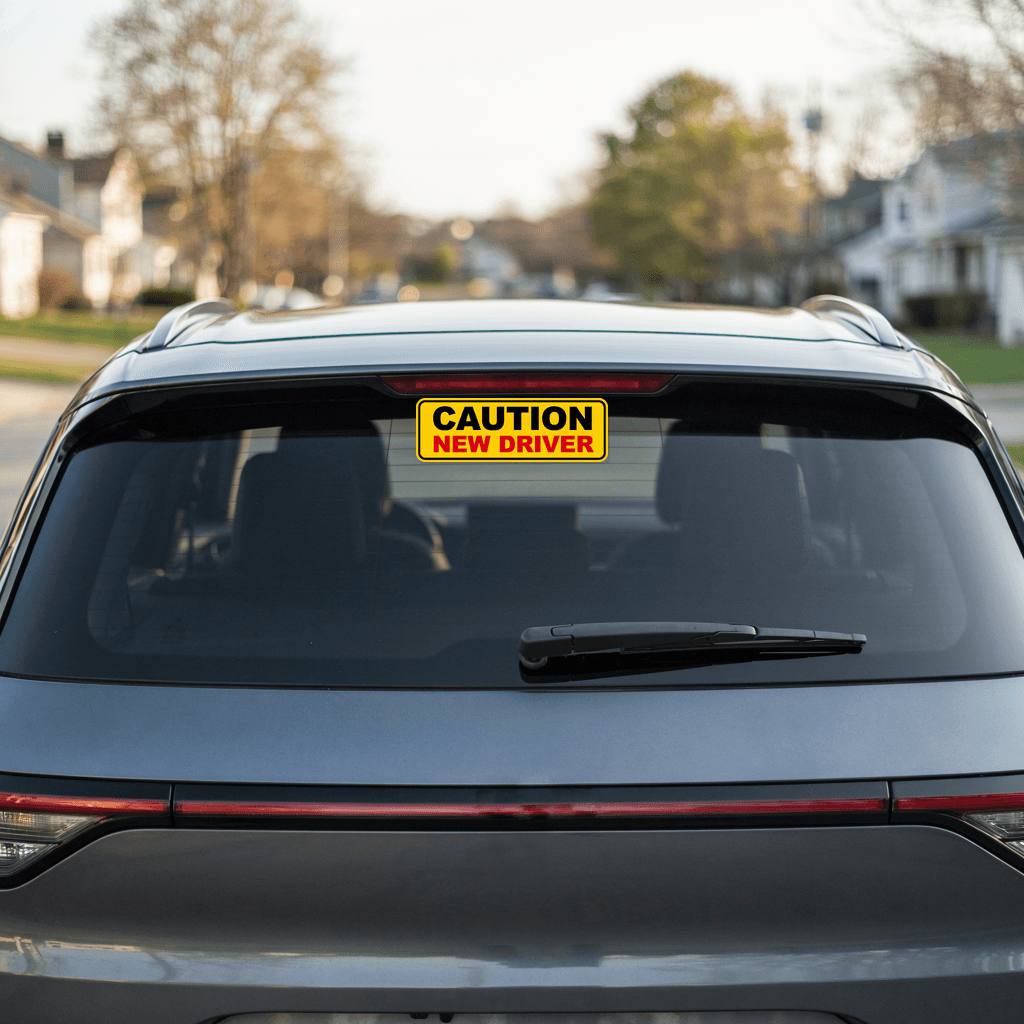
Caution New Driver Car Decal Vinyl Sticker
by Vehicle Decal
- Sure! Please provide the specific product features you'd like me to create highlights for.
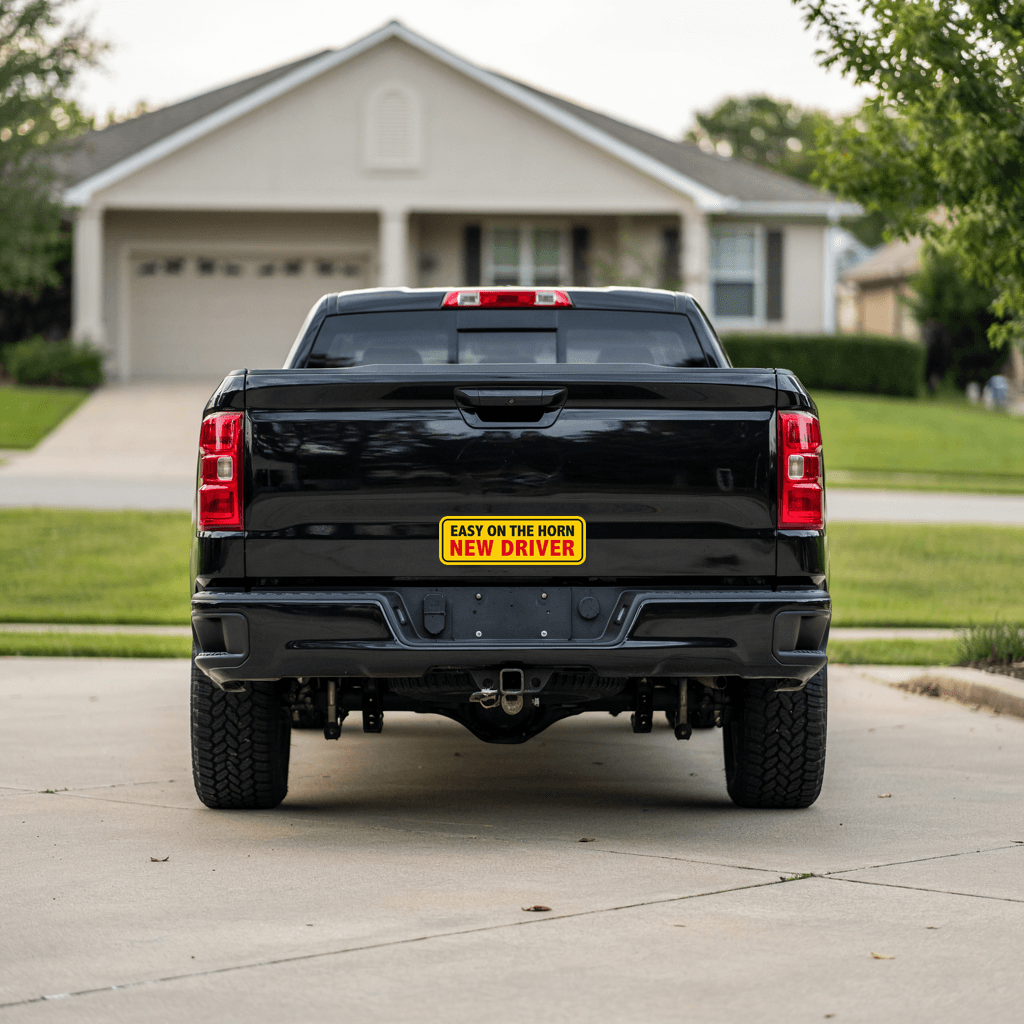
New Driver Sticker for Car - Easy on the Horn Vinyl Car Decal
by Vehicle Decal
- Sure! Please provide the product features you'd like me to highlight.
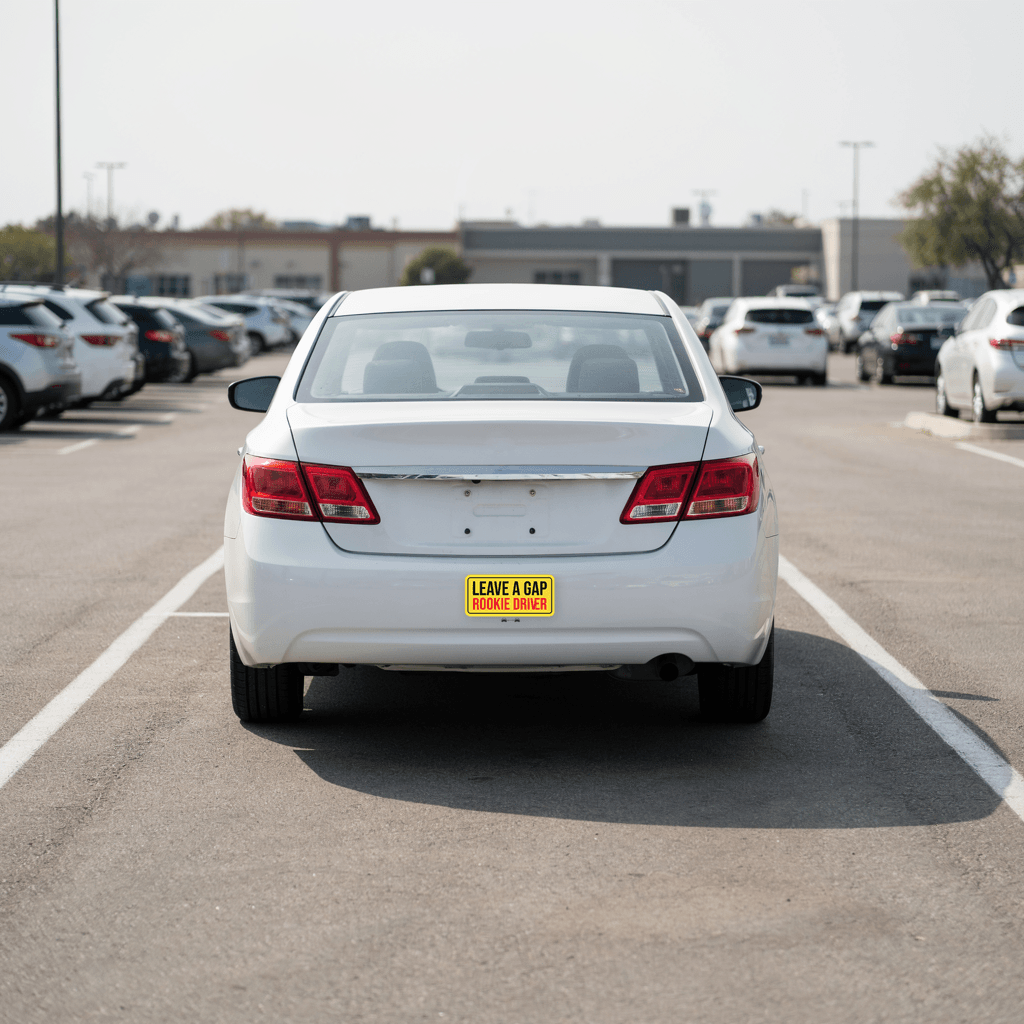
Leave A Gap Rookie Driver Car Decal Sticker
by Vehicle Decal
- Sure, I'd be happy to help! Please provide the product features you'd like me to focus on.
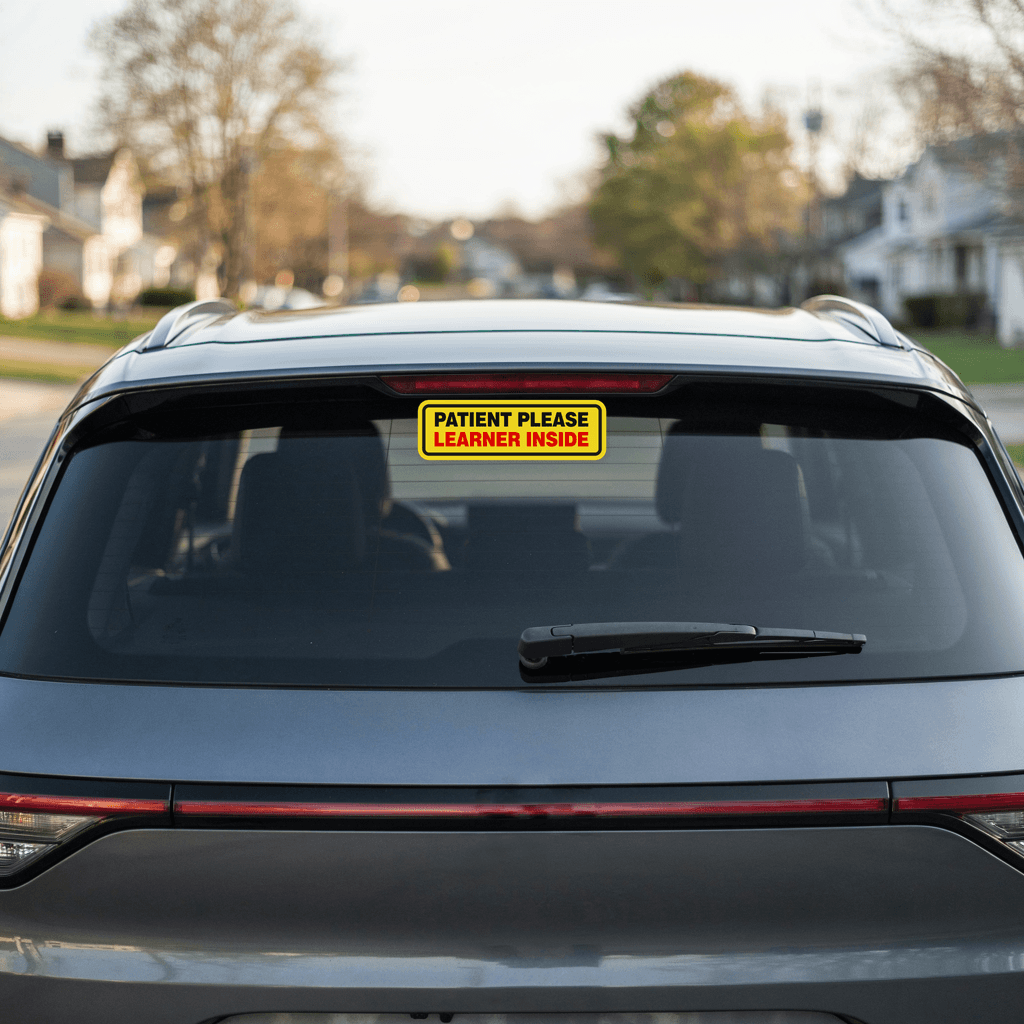
Patient Please Learner Inside Car Decal Sticker
by Vehicle Decal
- Sure! Please provide the product features you'd like me to highlight, and I'll create the list for you.

by SINGARO
- Eye-Catching Design: Bright yellow and bold black text for maximum visibility.
- Durable Material: Strong magnetic and reflective for day and night security.
I’ve helped first-time drivers, foreign residents, and short-term license converters sort this out, and the same questions come up every year: Do I legally need it? Where exactly does it go? Which sticker type actually stays on without ruining the paint? You’ll get all of that here, plus a buyer-focused breakdown so you can pick the right shoshinsha mark fast.
How we select products: Our team reviews products daily, analyzing customer ratings (4.0+ stars minimum), pricing trends, discount history, material specs, and real buyer feedback to surface items that provide the best value. For this guide, we also compared mounting style, weather resistance, legal usability, and common complaint patterns from buyer reviews.
What is the new driver sticker in Japan and who actually needs it in 2026?
The new driver sticker Japan drivers use is commonly called the shoshinsha mark or wakaba mark. It’s the green-and-yellow V-shaped symbol that signals you’re a beginner driver, and other road users in Japan instantly recognize it.
If you obtained your Japanese driver’s license less than 12 months ago, you’ll typically need to display it while driving a regular passenger vehicle. That applies whether you’re a Japanese national, a foreign resident who passed a driving test in Japan, or someone who converted an overseas license and is treated as a newly licensed driver under local rules.
This is one reason the Ultimate Guide to New Driver Sticker Japan in 2026 matters more than most people expect. The symbol isn’t decorative, and it’s not optional just because you feel confident behind the wheel after a few weeks.
What does the shoshinsha mark look like?
It’s a two-color symbol with:
- Green on one side
- Yellow on the other
- A leaf-like, V-shaped design
You’ll often see it described as a beginner driver mark, newly licensed driver sign, or wakaba sticker Japan in English searches. Those terms all point to the same thing.
How long do you have to display it?
The standard rule is 1 year from the date your license was issued. If you got your license on April 10, you should assume the requirement runs until the day before that date the following year unless your local licensing guidance states otherwise.
That one-year timeline is the first thing buyers get wrong. They assume the sticker is a one-time novelty purchase, then end up needing a more durable version after cheap adhesive fades in summer heat.
Where do you put the beginner driver mark on a car in Japan?
Placement matters because the sticker must be clearly visible to other drivers. The usual requirement is to display it on the front and rear of the vehicle.
In practice, most drivers place one mark:
- On the front exterior, usually on a flat metal panel area
- On the rear exterior, where it won’t block lights, the license plate, or visibility
This is where product choice becomes practical. A magnetic beginner mark is quick to remove if you switch cars, but it only works properly on metal body panels. A suction-cup or static type may suit glass, but not every version stays put during humid rainy-season driving.
Can you put the sticker on the windshield or rear glass?
Sometimes buyers assume any visible glass location is fine. That’s risky.
If a placement interferes with the driver’s field of vision or doesn’t meet visibility expectations from outside the car, it may not be the smartest option. Most experienced drivers in Japan stick to front and rear exterior placement on approved visible areas to avoid ambiguity.
Ultimate Guide to New Driver Sticker Japan in 2026: what types can you buy?
The market is simple on the surface, but real-world usability varies a lot. In 2026, most options fall into three main formats.
1. Magnetic new driver stickers
These are the most convenient if your car has steel body panels. You can attach and remove them in seconds, which is useful if multiple family members share the car and only one person needs the beginner mark Japan display.
Best for:
- Drivers who want easy removal
- People using one main car with metal panels
- Anyone worried about adhesive residue
Watch out for:
- Weak magnets on curved panels
- Reduced hold during high-speed expressway driving
- Incompatibility with non-metal surfaces
2. Adhesive stickers
Adhesive types usually stay on better in heavy rain and long parking periods. They’re often chosen by drivers who want a set-it-and-forget-it solution for the full 12 months.
Best for:
- Long-term use over the full one-year beginner period
- Cars where magnets don’t stick
- Drivers in windy or snowy areas
Watch out for:
- Residue after removal
- Fading after months of UV exposure
- Lower-quality print layers peeling at the corners
3. Suction or reusable interior-mount styles
These are sold as flexible alternatives, especially for leased cars or temporary use. However, buyer reviews often show they fail more often in summer, particularly when interior cabin temperatures rise above 50°C after parking in direct sun.
Best for:
- Short-term workaround use
- Drivers who can’t use adhesive or magnets
- Occasional vehicle swaps
Watch out for:
- Falling off glass overnight
- Reduced grip in humidity
- Legibility problems through tinted glass
Our selection criteria for the Ultimate Guide to New Driver Sticker Japan in 2026
To build this Ultimate Guide to New Driver Sticker Japan in 2026, we looked at the factors that actually affect ownership over 12 months, not just what looks good in listing photos.
We prioritized products that met these standards:
Clear visibility at a distance
The symbol should remain easy to identify from at least several car lengths back. Low-contrast printing and undersized marks generate the most “hard to see” complaints in reviews.Weather resistance for all four seasons
Japan’s driving conditions include summer UV, tsuyu humidity, winter frost, and highway grime. Products with laminated surfaces and water-resistant edges consistently perform better after 6 to 12 months.Secure mounting method
A magnetic mark should grip firmly on slightly curved bodywork. Adhesive versions should peel cleanly after long use, while suction models need realistic holding power, not just “works great on day one” claims.Review threshold and complaint ratio
We gave more weight to options with 4.2+ star averages and substantial buyer feedback. Products with sparse reviews tend to hide recurring issues like weak magnets or print discoloration.Legal usability over style
Decorative versions exist, but a fancy border means nothing if the mark is too small, too reflective, or hard to identify. Functional compliance comes first every time.
If you like comparison-driven buying guides, you can performance report style product pages to see how data-backed evaluations are typically structured.
What to look for before you buy a shoshinsha mark in 2026
If you only compare by appearance, you’ll probably buy twice. These are the five criteria that make the biggest difference.
1. Choose the right size for visibility
A mark that looks fine on a product page can appear tiny on an actual bumper or hatch. Look for dimensions that remain readable from a normal following distance in city traffic, especially at 20 to 40 meters.
2. Check whether your car panels are magnetic
A surprising number of newer cars use mixed materials, plastic trim sections, or curved surfaces where magnets don’t sit flush. Test the exact front and rear placement area with a household magnet before ordering.
3. Look for UV and water resistance
Rain isn’t the biggest enemy; sun is. Reviews frequently show color fade after 3 to 5 months on low-grade prints, especially in uncovered parking spaces.
4. Verify removal safety
If you drive a leased vehicle, paint-safe removal matters more than absolute permanence. Adhesives marketed as removable should come with buyer comments confirming they peel cleanly after several months, not just after one weekend.
5. Avoid novelty-first designs
A legal Japanese road sign for beginner driver needs instant recognition. If the shape, color balance, or reflectivity is altered too much for style, it may attract attention for the wrong reason.
Pro tip: Before buying, wash and dry the intended mounting spot, then test a paper cutout the same size as your sticker. This 2-minute check prevents the classic mistake of ordering a mark that overlaps trim lines or rear wiper movement.
Best options by budget: what most drivers should buy
People rarely search for “the best sticker.” They search by budget and hassle level. That’s why this Ultimate Guide to New Driver Sticker Japan in 2026 breaks options into realistic spending tiers.
Best options under the low-budget range
At the entry level, basic adhesive marks usually give the best compliance value. They’re widely available, simple to install, and often better than ultra-cheap suction types that lose grip within a few weeks.
Good fit for:
- First-time solo drivers
- Short-distance urban use
- Drivers who don’t plan to swap vehicles
Tradeoff: removal may be less clean, and print durability can drop fast after one summer.
Mid-range picks: the sweet spot for daily drivers
For most people, the mid-range is the best balance. This is where you typically get stronger magnets, thicker print layers, and better weatherproof finishing.
Good fit for:
- Daily commuters
- Shared household cars
- Drivers parking outdoors year-round
This category tends to produce fewer “fell off on the highway” complaints, which is worth the slight extra spend over 12 months.
Premium picks for leased cars or multi-car households
Higher-end options usually focus on reusability, finish quality, and cleaner removal. If you rotate between family vehicles or want a more durable newly licensed driver sign Japan setup, premium versions are usually the smarter long-term buy.
Good fit for:
- Families with two or more cars
- Foreign residents testing placements on different vehicles
- Anyone who wants cleaner removal and stronger longevity
If you enjoy niche sticker guides beyond driving-related uses, you can check it out for a very different sticker category.
What real buyer reviews reveal about bad new driver stickers
The biggest review pattern is simple: products with weak attachment systems fail long before the one-year requirement ends. That’s especially true for budget magnets on curved rear panels.
Across buyer feedback, four red flags show up repeatedly:
- Corners lifting within 30 days
- Color fading before 1 summer ends
- Magnets sliding after car washes
- Suction types dropping overnight in heat
Another common complaint is misleading product photography. Some listings make the mark look bumper-sized, then deliver a version that’s 20% to 30% smaller than expected.
Red flags that should make you skip a listing
Avoid any option with these warning signs:
- Review average below 4.0 stars
- Repeated comments about “fell off at speed”
- No mention of dimensions
- No material or weather-resistance details
- Buyers reporting residue or paint concern after short use
That review-reading habit matters more than most design differences. If you want another example of how sticker buyers compare usability details across formats, see the details.
Ultimate Guide to New Driver Sticker Japan in 2026: practical mistakes first-time drivers make
The most common mistake is buying a single sticker instead of a front-and-rear set. Drivers realize too late that they need visibility from both directions, then scramble to match a second piece that doesn’t look identical.
The second mistake is assuming any “Japan car sticker” listing is road-appropriate. Some are souvenir decals, not a proper wakaba mark car sticker for actual use.
Mistake #1: choosing style over recognition
A stylized beginner mark may photograph well, but if the color saturation is off or reflective glare distorts the symbol, recognition drops. On the road, clarity beats aesthetics every time.
Mistake #2: not checking your parking environment
Cars parked outdoors in coastal or high-humidity areas need stronger waterproofing than garage-kept vehicles. If your car sits in direct sun daily, UV resistance becomes a bigger factor than easy removal.
Mistake #3: ignoring car-wash durability
Automatic washes expose weak edges fast. Several buyers report that budget adhesive corners start lifting after 2 to 4 wash cycles, especially if the mark sits near body seams.
For unrelated but interesting sticker-use cases, you can find out more about labeling applications where adhesion matters for different reasons.
Is it better to buy online or in-store in Japan?
If you want immediate compliance today, in-store is faster. Physical shops also let you check thickness, print sharpness, and whether the magnet feels strong enough before you pay.
Online shopping gives you a wider range of beginner driver mark styles and more review data. That’s useful if you want to compare complaint patterns, especially for removable options and lease-safe adhesives.
One odd side path I’ve seen in search behavior is people landing on unrelated sticker roundups while researching car marks; for example, pages on Blogspot or creator shops on Writeas. Those can be fun, but they won’t tell you whether a shoshinsha mark survives highway rain.
Do foreign residents and tourists need to think differently about this?
Yes, especially foreign residents converting a license or buying their first car in Japan. The legal side is straightforward, but the practical side is not: many newcomers don’t realize car body materials affect whether a magnetic wakaba mark will even work.
Tourists driving with temporary permissions usually need to check the exact status of their driving eligibility and rental requirements. Rental fleets may handle required signage differently, so always confirm before driving off.
You may also come across odd search-result detours such as gift pages through maps.google.lk, but for vehicle compliance, stick to road-rule-specific guidance and product specs.
Final buying advice: what matters most in the Ultimate Guide to New Driver Sticker Japan in 2026
If you remember just one thing from this Ultimate Guide to New Driver Sticker Japan in 2026, make it this: buy for secure attachment first, legal visibility second, and style last. A clearly visible front-and-rear set with strong weather resistance will serve you better over 12 months than any decorative option with weak mounting.
For most drivers, the safest choice is a mid-range, weather-resistant front-and-rear set matched to your car’s surface type. Test whether your panels are magnetic before you order, because that single check prevents the most common buying mistake.
Frequently Asked Questions
Do I need a new driver sticker in Japan if I just got my license?
Yes, in most cases you need to display the shoshinsha mark for one year after receiving your Japanese driver’s license. It’s a recognized beginner driver symbol and should be visible on the front and rear of the vehicle.
Where do I place the wakaba mark on my car in Japan?
You generally place the beginner mark on the front and rear exterior of the car where it’s clearly visible. Don’t put it somewhere that blocks visibility, lights, or plate information.
Can I use a magnetic new driver sticker in Japan?
Yes, but only if the exact mounting area on your car is magnetic and flat enough to hold securely. Many drivers prefer magnets for easy removal, but weak grip on curved or non-metal panels is a common complaint.
What is the best new driver sticker to buy in Japan in 2026?
The best option for most people is a weather-resistant front-and-rear set with strong buyer ratings and a mounting type that matches your car surface. Mid-range options usually offer the best balance of durability, visibility, and clean removal.
Do rental cars in Japan come with a beginner driver sticker?
Sometimes, but not always. If you’re a newly licensed driver using a rental car, ask the rental provider before departure so you know whether the required beginner mark is already supplied.


Comments
Post a Comment